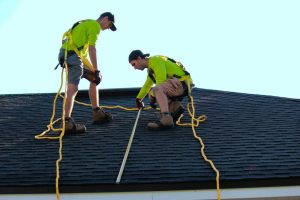
A fall from a roof is one of the most terrifying moments a worker can experience in the Chicago construction industry. In those first few minutes, your health and your future are on the line. As your advocate, I want to make sure you know exactly what to do to protect yourself and your family under Illinois law.
1. Seek Immediate Medical Attention
Your life is more important than any job. If you have fallen, even if you think you “feel okay,” you must see a doctor immediately. Many roofing injuries, like internal bleeding or spinal damage, don’t show symptoms right away.
- Go to the ER: Tell the doctors exactly what happened.
- Be Specific: Mention that the injury happened while you were working on a roof.
- Follow Orders: Keep every medical record; these are the evidence we need to win your case.
2. Report the Accident to Your Employer
In Illinois, you should notify your supervisor as soon as possible. While you have a window of time to report, doing it immediately prevents the company from claiming the accident happened elsewhere.
- Written Notice: If possible, send a text or email so there is a paper trail.
- Don’t Be Intimidated: Your boss might tell you “not to report it” to save on insurance costs. Do not listen to them—protect your rights.
3. Identify the Cause of the Fall
Roofing falls often happen because the company cut corners on safety. We need to know:
- Safety Gear: Were you provided with a proper harness and lanyard?
- Equipment: Did a ladder slip or did an old scaffold break?
- Conditions: Was the roof icy, or were you forced to work in high winds?
4. Understand Your Rights (Regardless of Status)
Many roofers in Chicago fear that their immigration status will prevent them from getting help.
- Everyone is Protected: In Illinois, every worker is entitled to workers’ compensation regardless of whether they have “papers” or not.
- Standard Benefits: You are entitled to have your medical bills paid in full and to receive lost wages while you cannot work.
5. Contact Jack Epstein – Abogado Chicago
Insurance companies for roofing contractors are notorious for fighting claims. They will try to say the fall was “your fault” to avoid paying.
- We Level the Playing Field: We handle the insurance adjusters and the paperwork so you can focus on healing.
- We Speak Your Language: We explain every step of the process in plain Spanish or English—no complicated legal jargon.
- No Win, No Fee: You don’t pay us a cent unless we win your case and get you the money you deserve.
Did you or a loved one suffer a fall while roofing in Chicago? Don’t wait and hope the company “does the right thing.” You need a professional who treats you like family and fights like a lion. Call us today for a free consultation. We will review your case, explain your rights, and help you get back on your feet.
Are you worried that your employer didn’t have the proper safety equipment on the site the day you fell?
If you are up on a roof in Chicago, you know the stakes. It is a job for the brave, requiring balance, strength, and the grit to handle our city’s wild weather. But let’s be real: roofing is one of the most dangerous jobs in the entire construction industry. A single slip or a sudden gust of wind can change your life in a heartbeat.
That is why understanding workers’ comp for roofers isn’t just about paperwork—it’s about the safety net that protects your family.
Why is Workers’ Compensation Insurance for Roofers Mandatory?
In Illinois, the law is firm: almost every roofing contractor is required to carry insurance for their employees. This roofing workers’ comp exists because the state recognizes that a fall from a height can lead to life-altering injuries.
For a contractor, having workers’ compensation insurance for roofers protects your business from direct lawsuits. For the worker, this insurance is what guarantees your bills get paid, regardless of who was at fault for the accident.
The Most Common Injuries in Roofing
In my office, I see the toll this job takes. We handle workers’ comp for roofing cases involving:
- Falls from heights: The number one cause of severe spinal and head injuries.
- Slips on steep pitches: Especially dangerous during Chicago winters or rainy days.
- Tool-related accidents: Injuries from nail guns, saws, or heavy machinery.
- Repetitive strain: The long-term damage to knees and backs from years of heavy lifting.
What Does Roofer Workman Comp Cover?
If you get hurt while working on a roof, your company’s insurance must cover three fundamental areas:
- Full Medical Expenses: Everything from the ambulance and ER to surgeries and physical therapy.
- Lost Wage Payments (TTD): If you can’t get back on a roof while you heal, you should receive two-thirds of your average weekly wage.
- Disability Settlements: Compensation if the injury leaves you with permanent damage to your back, legs, or arms.
“My boss says he doesn’t have insurance for roofers”
This is a serious problem in Chicago. Some contractors try to work “under the table” to avoid the high costs of workers’ compensation insurance for roofers.
If you are injured and your boss doesn’t have insurance, you still have rights. Illinois has systems in place for these exact situations, and we know how to navigate them so you aren’t left behind. As I always say: “Your story matters, and your immigration status does not take away your right to healthcare”.
Why Call Illinois Compensation?
My team and I understand that the roofing world is tough. If you had an accident, insurance companies will look for any excuse to say you weren’t using your harness or that it was your fault. We don’t let them intimidate you. We speak your language, we treat you like family, and we fight to get you the maximum benefit possible under the law.
Did you fall from a roof or get injured while working in roofing? Don’t let a contractor or an insurance adjuster tell you “there’s nothing we can do.” Workers’ comp for roofers is your legal right in Illinois. Call us today for a free consultation. You don’t pay a cent unless we win your case. We are ready to be your support when things get tough!
Do you feel like your employer is hiding information about their insurance coverage after your accident?