
Third Party Work Injury Claims in Chicago: Sue Beyond Workers Comp
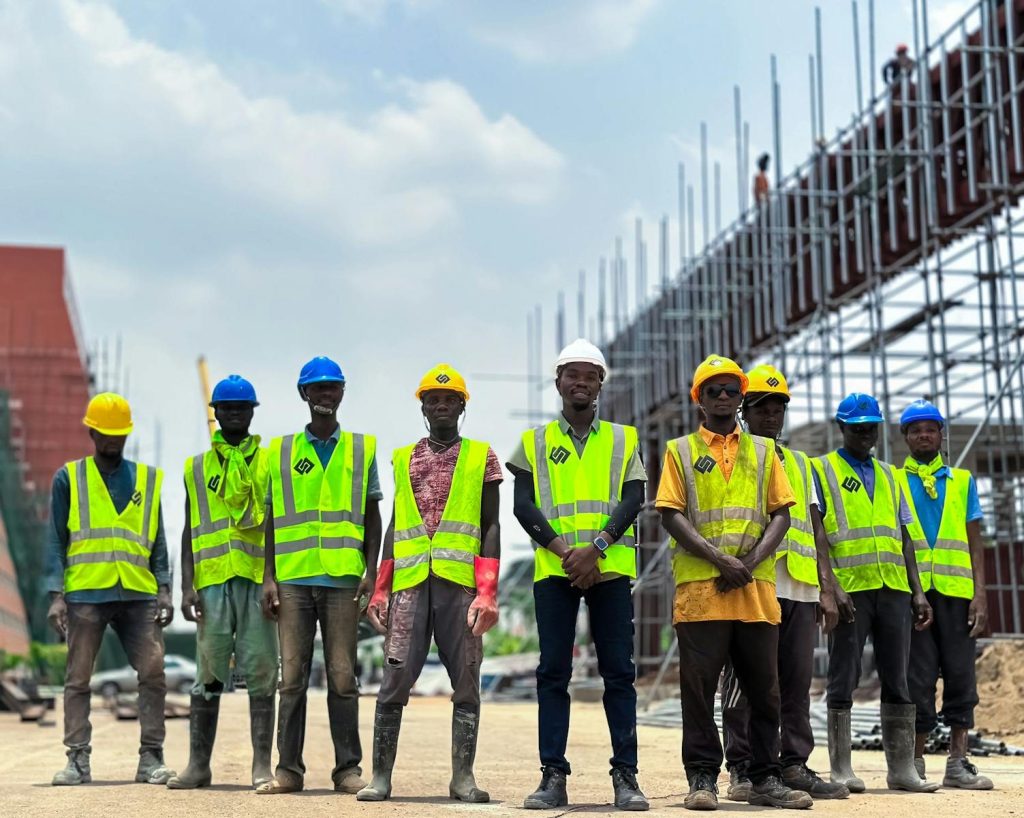
A third-party lawsuit allows injured workers to recover broader compensation by holding negligent parties accountable, such as contractors, property owners, or equipment manufacturers. The article also emphasizes that both claims can be pursued simultaneously, outlines common scenarios (construction accidents, vehicle incidents, defective equipment), and stresses the importance of legal representation to maximize recovery and navigate deadlines and liability requirements.
Workers’ Comp Lawyer Near Me Chicago: How to Find the Right Attorney

Ultimately, the article positions hiring the right attorney as a critical step in maximizing compensation and successfully navigating the legal process. This aligns with broader legal guidance that expertise and specialization significantly impact case outcomes.
Workers’ Comp Attorney Park Ridge, IL — Local Guide for Injured Workers

This local guide explains how injured workers in Park Ridge, Illinois can secure workers’ compensation benefits with the help of an experienced attorney. It outlines what to do after a workplace accident, the types of injuries covered, and the importance of legal representation when dealing with insurance companies or denied claims. The article emphasizes that workers may be entitled to medical care, lost wages, and disability benefits, regardless of fault, and highlights how a local Chicago-based law firm can guide clients through the claims process and maximize compensation.
Workers’ Comp Attorney Chicago Heights & South Suburbs — What You Need to Know

This article explains what injured workers in Chicago Heights and the South Suburbs need to know when hiring a workers’ compensation attorney. It highlights how Illinois law protects employees through a no-fault system that provides medical care and wage benefits, but emphasizes that insurance companies may deny or delay claims.
Industrial Accident Attorney Chicago: When Your Injury Goes Beyond Workers’ Comp

By combining workers’ compensation with a third-party lawsuit, victims can significantly increase their total compensation, potentially covering full lost wages, emotional damages, and long-term impacts. The article emphasizes the importance of legal guidance to identify all liable parties and maximize recovery.
Construction Fall from Height Injury Chicago: Scaffolding, Ladders & Roofs

This article explains how construction workers in Chicago and across Illinois face serious risks when working at heights, particularly on scaffolding, ladders, and roofs. Falls are one of the leading causes of severe injuries and fatalities in the construction industry, often resulting from unsafe equipment, lack of fall protection, or employer negligence.
Roofing Workers’ Comp Settlement in Illinois: How Much Can You Get?
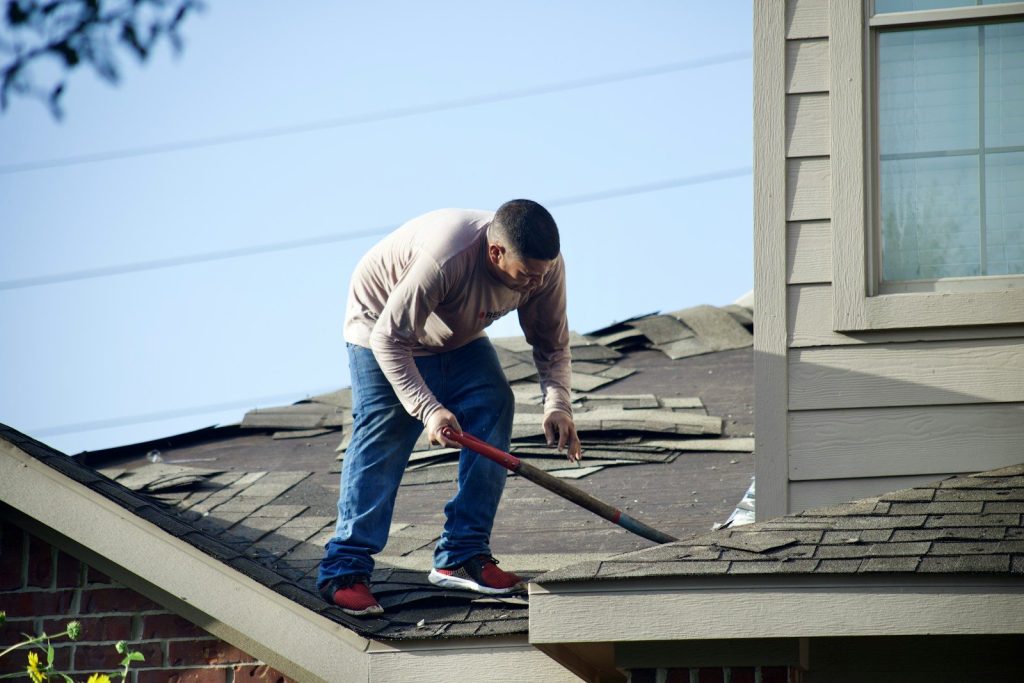
This article explains how roofing workers in Illinois can obtain workers’ compensation settlements after job-related injuries, especially falls and construction accidents. It highlights the risks roofers face, including high elevations and hazardous conditions, and emphasizes that injured workers are entitled to compensation regardless of fault under Illinois law.
Fell Off a Roof at Work in Illinois? Your Comp Rights Explained

This article explains what happens if you fall off a roof while working in Illinois and highlights that your case may involve more than just workers’ compensation. While workers’ comp typically covers medical bills and lost wages, certain situations—such as unsafe roofing conditions or third-party responsibility—may allow you to file an additional personal injury lawsuit.
Roofing Workers’ Comp Chicago: What to Do After a Fall
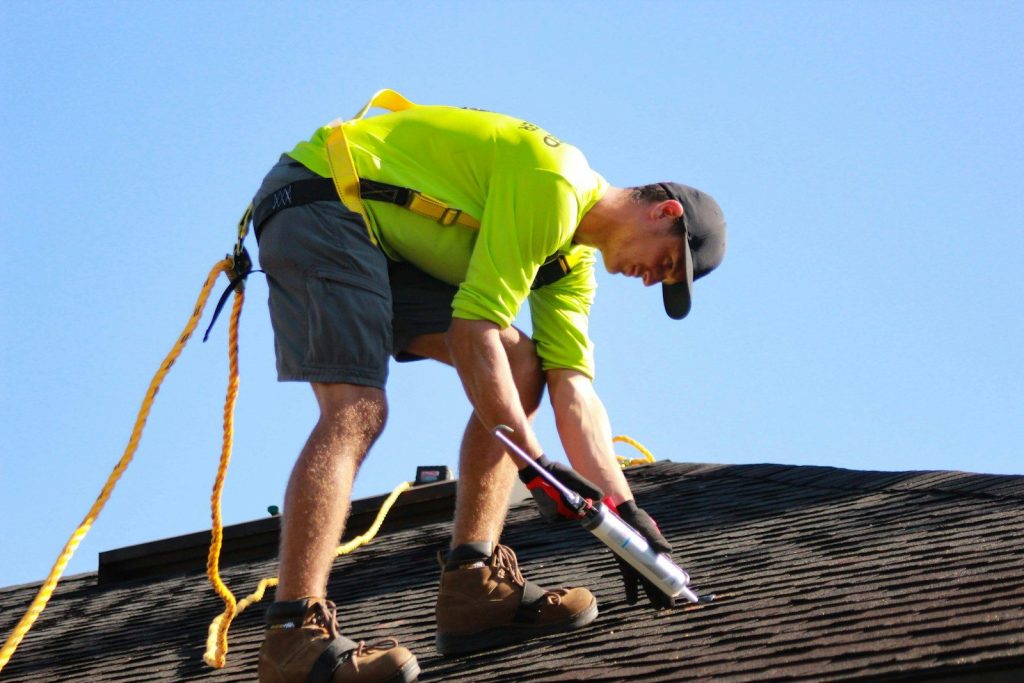
This guide explains everything Illinois roofing contractors need to know about workers’ compensation insurance, including legal requirements, coverage, costs, and risk factors. It highlights that roofing is one of the most dangerous construction trades, making workers’ comp mandatory for businesses with employees in Illinois. The article details what policies cover—such as medical expenses, lost wages, and disability benefits—and explains how premiums are calculated based on payroll, risk level, and safety history. It also emphasizes compliance with Illinois laws and the importance of proper insurance to avoid penalties and protect both workers and business owners.