
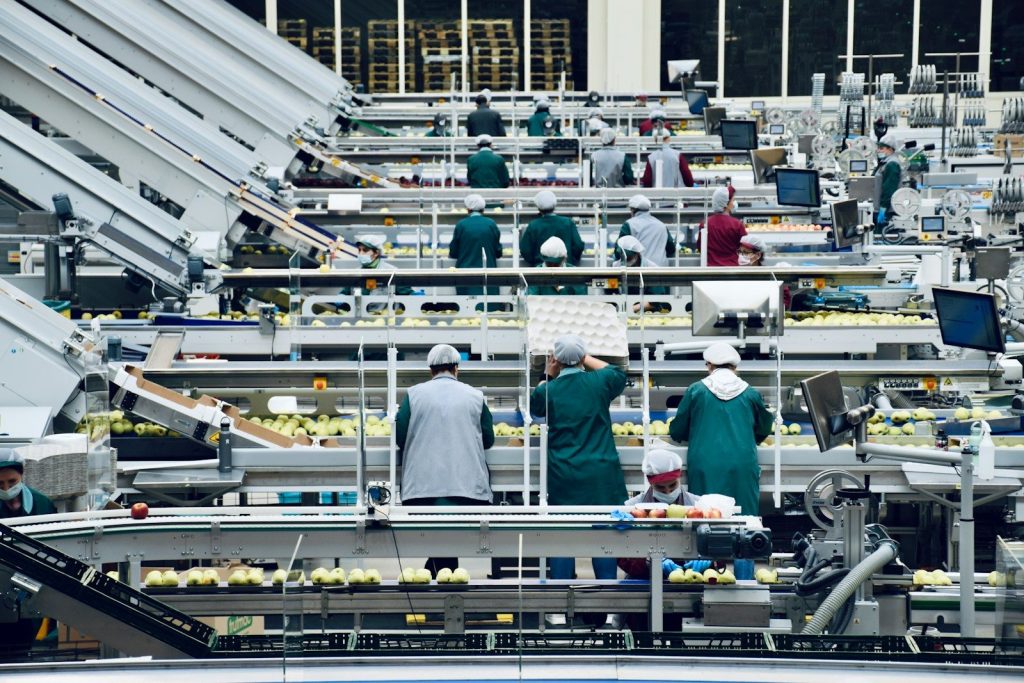
The Incident: The 1,800-Pound Strain
The client, a Latina worker in the Chicago packaging and production sector, was maneuvering an extremely heavy pallet using a manual hydraulic jack. The pallet, weighing between 1,000 and 1,800 pounds, placed an immense structural load on her body, triggering immediate and severe back pain.
What began as localized soreness quickly evolved into a debilitating neurological condition:
- Lumbar Radiculopathy: The pain radiated from her lower back down her left leg to her foot, making walking and driving nearly impossible.
- Daily Limitations: She faced severe difficulty sitting, standing, or lifting objects, affecting her ability to perform simple household tasks.
- Chronic Care: Her journey included years of physical therapy, epidural injections, and consultations with orthopedic and pain management specialists.
The Obstacles: Conflicting Doctors and Treatment Denials
This case is a textbook example of the “Medical Friction” that occurs in Illinois Workers’ Compensation. The client faced a wall of institutional resistance:
- The Defense IME: An Independent Medical Examiner (IME) hired by the insurance company claimed she had reached Maximum Medical Improvement (MMI) and could return to work with zero restrictions.
- Utilization Review (UR): The insurance company used a third-party review to formally deny additional physical therapy and a requested injection, claiming the treatment was no longer “necessary.”
- Functional Disputes: While some doctors recommended permanent restrictions, others minimized her complaints, creating a conflict that threatened her access to benefits.
Strategy: Long-Term Advocacy and Objective Proof
Led by Jack Epstein, with 30 years of experience in the Illinois legal market, the firm’s strategy focused on “Total Record Integrity.” We refused to let a single denied injection or a negative IME report define the value of her life.
Our Strategic Interventions:
- Countering the “Plateau” Narrative: We gathered years of consistent treatment records and functional capacity evidence to prove the pain was real and required ongoing care.
- Documenting the Wage Impact: We tracked every week of Temporary Total Disability (TTD) and Permanent Partial Disability (PPD), ensuring the insurance company paid for the time she was unable to work.
- Global Debt Resolution: We meticulously organized the distribution of funds to cover legal fees, court costs, and outstanding medical providers, ensuring the client walked away with a clean financial slate.
A $122,500.00 Result for Future Stability
After years of litigation and medical management, the Illinois Workers’ Compensation Commission approved a global settlement of $122,500.00.
Final Financial Breakdown:
- Total Recovery: $122,500.00
- Net to Client: $88,560.49 (After fees, costs, and medical payments)
- Additional Benefits: Previous payments for temporary total disability and permanent partial disability were also secured during the process.
For this worker, the result represented more than just a check; it was the dignity of having her story taken seriously and the financial support to recover from a grueling process.
Proven Experience in Every Illinois Case
“Jack Epstein, with 30 years of experience in the Illinois legal market, personally oversaw the case.”
“The client paid nothing until we won the case.”
The Final Word on Your Rights
A workplace injury in the packaging industry can feel like a life sentence of pain and debt, especially when the insurance company denies your care. This case proves that you don’t have to accept their “No.” By standing firm for years, this worker showed that justice is possible. By securing this $122,500 recovery, we ensured that this hardworking woman was not broken by the system and that her dignity was fully restored.