A 39-year-old forklift operator was moving pallets of food, just like any other day. In an instant, a loaded pallet came down and broke his leg. The insurer tried to minimize it. The surgery — and the evidence — told a different story.
From “Not That Serious” to a Recognized Injury
Even a broken leg can be contested in workers’ compensation. Here, the employer’s insurer disputed the extent of the injury, questioning how serious it really was — a common tactic that can leave an injured worker undercompensated. But a fracture that requires surgery and hardware is not a minor injury, and the client, supporting two children, could not afford to have it downplayed.
Inside the Warehouse Accident
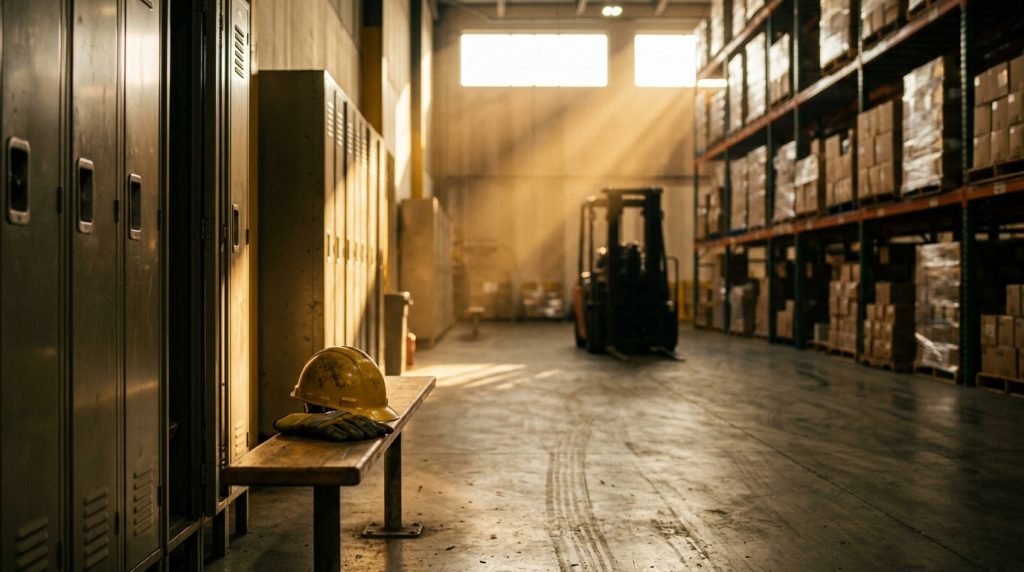
In March 2023, the client was working at a food distribution center in Romeoville, in the Chicago area. He was operating a forklift, moving pallets of food, when a collision caused a loaded pallet to fall and pin his right leg. The force fractured his tibia and fibula. He required surgery, including placement of a rod to repair the bone.
The Fight Over the Extent of Injury
A surgically repaired leg fracture means months away from work, physical therapy, and real pain. Yet the carrier treated the extent of the injury as disputed, questioning the degree of the harm. Accidents involving heavy equipment like forklifts and loaded pallets are common in distribution and warehouse work, and the resulting injuries are serious — but only careful documentation forces an insurer to acknowledge that.

Turning Strategy Into Justice
Jack Epstein, with 30 years of experience in the Illinois legal market, personally oversaw the case. Our legal team filed the claim with the Illinois Workers’ Compensation Commission and documented the tibia-and-fibula fracture, the surgery, and the impact of a heavy-equipment accident. We refused to let the insurer downplay an injury that required an operation and hardware in the bone. The client paid nothing until we won the case.
A Settlement That Recognized the Injury
The case resolved in early 2026 with a $58,387 settlement, of which more than $46,000 went to the client net after expenses. The result reflected the seriousness of his fracture and the recovery time it demanded, rather than the reduced value the insurer initially argued for.
Warehouse and distribution workers face daily hazards from forklifts, pallets, and heavy loads, and leg fractures from these accidents can require surgery and long rehabilitation. Documenting the mechanism and the surgical treatment is what separates a token offer from a fair result. No worker should have a broken leg treated as if it were nothing.
A lower-leg fracture that needs a rod and open surgery often means a long recovery and lasting effects on mobility, especially for someone whose job keeps them on their feet and around heavy machinery. A fair settlement has to account not just for the weeks of missed work but for the real, lasting impact of a serious orthopedic injury — which is exactly what this outcome did.

A falling pallet. A broken leg. Surgery and a rod to fix it. The insurer said “not that serious” — the evidence, and a $58,387 settlement, said otherwise.
If you were injured by a forklift, pallet, or heavy equipment at a warehouse or distribution center, our Illinois workers’ comp attorneys can help you recover what you rightfully deserve. Contact us today for a free consultation.